
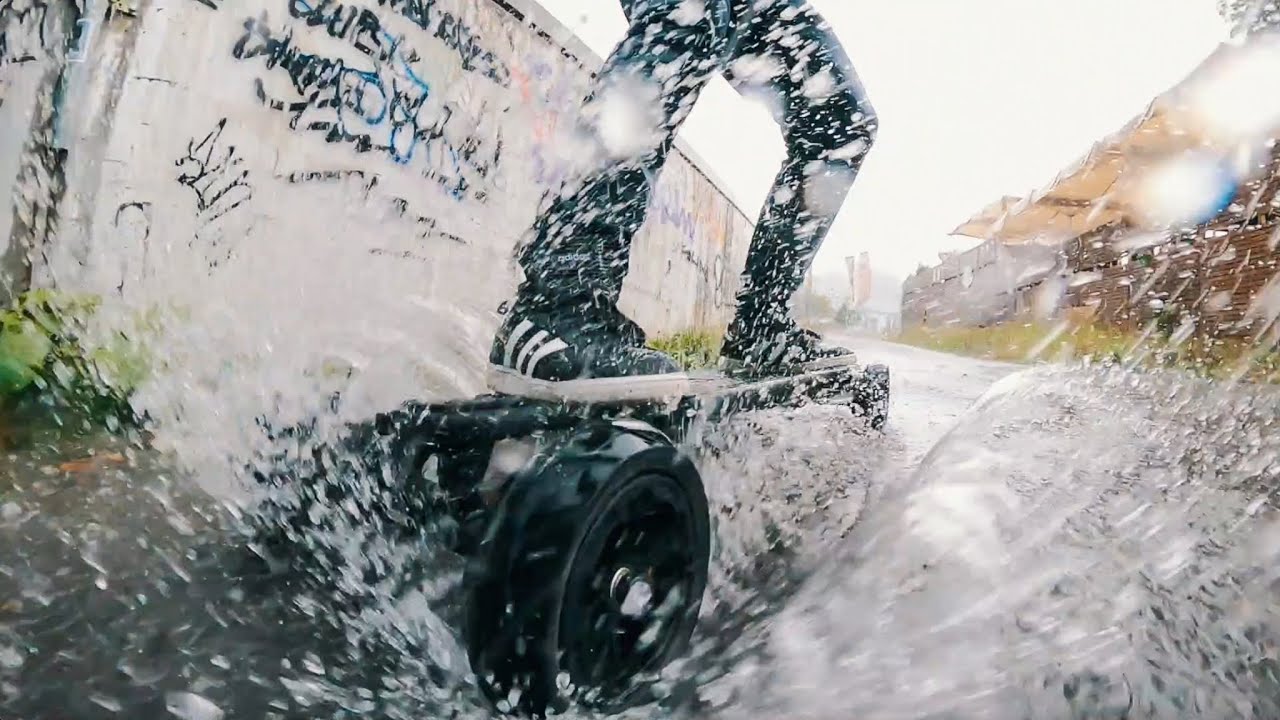
Electric skateboards are becoming a serious commuting tool in the UK. With crowded trains, rising fuel prices and endless traffic, many riders in London, Manchester, Liverpool and Edinburgh are switching to electric skateboards as a faster, more flexible way to get around.
But before you ride to work, you need to understand how electric skateboards fit into UK regulations and British conditions.
Are Electric Skateboards Legal on UK Roads?
The UK’s laws are outdated. Electric skateboards fall under the old “powered transporter” category, which means:
• Not legal on public roads
• Not legal on pavements
• Not allowed in cycle lanes
That’s the letter of the law.
The reality is different. Enforcement varies massively by region. Most riders who move sensibly, avoid crowds and keep their speed under control rarely get bothered. Still, you should know your options:
• Riding on private land with permission is fully legal
• Parks depend on local council rules
• Many riders create safe hybrid routes using quiet paths and shortcuts
It’s not perfect, but it’s workable if you ride responsibly.
What Makes an Electric Skateboard Good for the UK?
The UK has a unique mix of challenges: rain, cold weather, steep hills and terrible pavements. A board that works on perfect Californian asphalt often fails miserably in London or Glasgow.
UK riders need boards with:
• Real weather resistance
• Strong belt drive torque for hills
• Long-range batteries that handle cold temperatures
• Big wheels and stable trucks for broken pavement
• Easy maintenance and durable CNC parts
Cheap electronics, hollow decks and hub motors with weak torque simply don’t survive UK conditions.

UK Riders’ Most Common Questions
1. Can I commute on an electric skateboard?
Yes — thousands already do. You just need smart route planning, a reliable board and awareness of local regulations.
2. Can electric skateboards handle British weather?
Only if they’re built properly. Moisture kills cheap components fast. ONSRA boards are sealed, reinforced and built specifically to survive wet, cold and windy conditions.
3. Are they allowed on trains and buses?
Carried boards are treated like luggage. This makes hybrid commuting extremely efficient in London and major cities.
4. Will my board handle rough UK pavement?
With strong trucks, proper bushings, belt drive power and big wheels — yes. Weak plastic housings and budget bushings won’t last.
Why ONSRA Works So Well in the UK
ONSRA boards hit the exact pain points UK riders face:
• Weather-resistant design
• Belt drive torque for steep city hills
• High-end bushings and CNC parts
• Stability on wet, slippery roads
• Higher durability than typical mass-market brands
We build boards based on real testing, not marketing slides. That matters more in the UK than anywhere else.
Real UK Commuting Scenarios
London
Long, flat paths, mixed surfaces and constant stop-and-go. You need stability, endurance and reliable braking.
Manchester
Wet streets and unpredictable weather demand sealed electronics and strong traction.
Edinburgh
Steep hills expose weak motors instantly. Belt drive torque is non-negotiable.
Bristol
Hilly terrain plus rough pavement punishes cheap boards. Strong wheels and trucks are essential.
Belt Drive vs Gear Drive Electric Skateboards – What Actually Matters in 2025
هل يسمح باستخدام السكيت الكهربائي في دبي؟ كل ما تحتاج معرفته قبل الركوب