
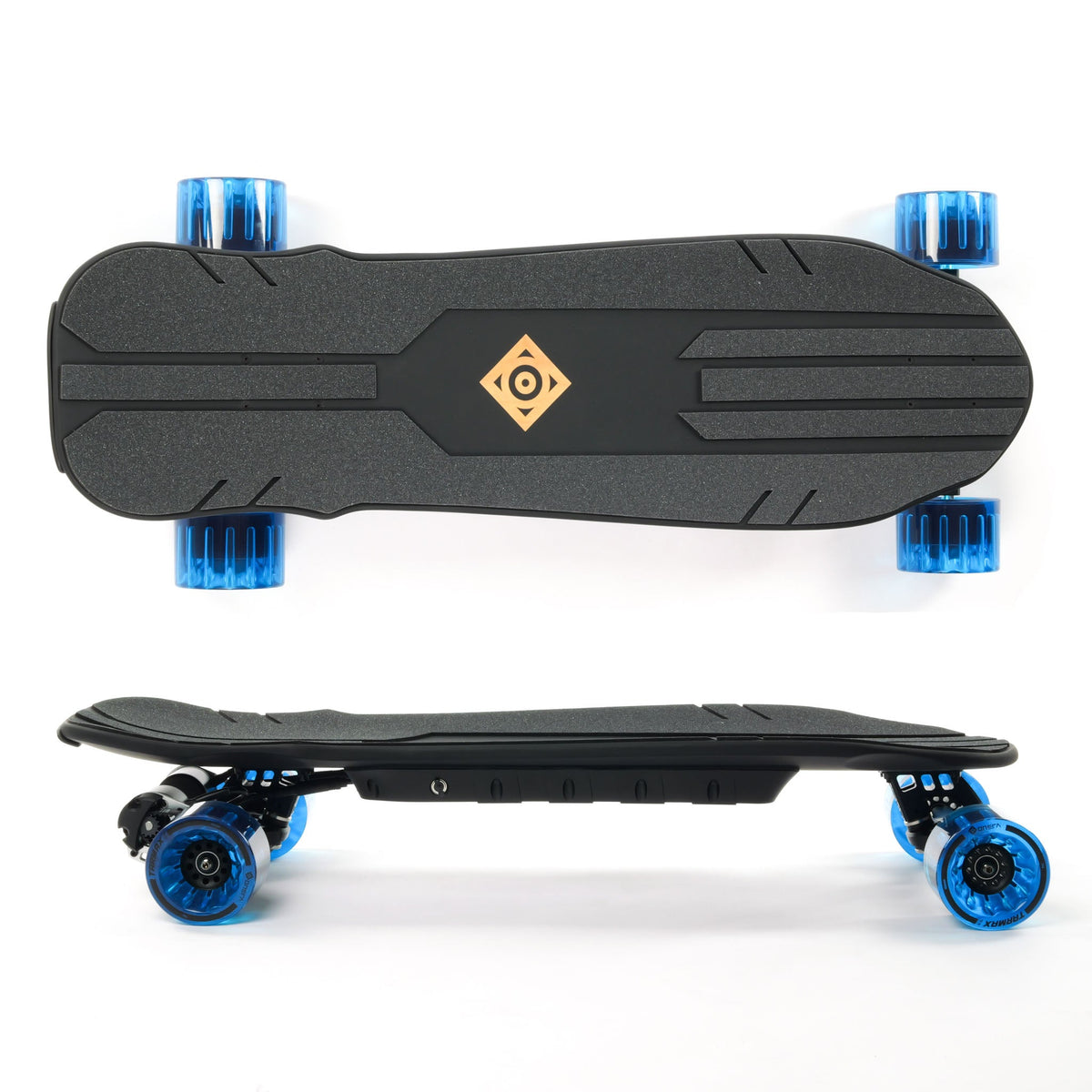
A cheap electric longboard feels fast for about ten minutes. Then the flex turns vague, trucks wander, the remote lags, and every pavement crack reminds you exactly where corners were cut.
A true high-performance electric longboard is different. It stays composed at speed, carves with precision, delivers clean power, and does it consistently ride after ride. That difference matters far more than headline top-speed numbers.
Serious riders know performance is the full system: deck geometry, truck precision, drivetrain tuning, battery quality, wheel setup, braking response, and the hardware that holds everything together. One weak link compromises the entire ride.
What defines a high-performance electric longboard
Power, control, and durability under real conditions.
It needs strong, tunable motor output for hard acceleration without instability. Battery capacity and low voltage sag so it pulls hard even when the pack drops. Trucks that track predictably and return to center instead of wandering. Progressive braking that inspires confidence instead of surprise.
Ride quality decides the experience. Big power means nothing if the deck is harsh, bushings mismatched, or wheels chatter on rough pavement. High performance delivers usable speed, stable carving, consistent grip, and enough compliance to stay planted.
Speed is easy to advertise. Control is hard to engineer.
Many buyers fixate on wattage, claimed range, and max speed, assuming the biggest numbers win. Sometimes they do. Often it’s just louder marketing. Boards that earn long-term trust stay calm when pushed.
Trucks are a prime separator. Geometry, CNC precision, bushing setup, and stiffness determine behavior in turns and at high speed. A loose surfy setup feels fun at low speeds but loses composure as velocity rises. A refined, stiffer setup trades some playfulness for far better stability.
No single formula fits everyone. A city commuter on broken pavement prioritizes different traits than a rider chasing deep carves on smooth roads. Match the board to your actual use.
Core components that separate premium boards
Deck and chassis Length, width, flex profile, concave, and mounting style shape leverage and control. Stiffer decks feel locked-in at speed and under braking. Flexier decks absorb vibration for comfort but can feel vague if overdone, especially for heavier riders. Premium materials hold shape and stay tight after months of hard use.
Trucks and carving response Precision eliminates slop. Well-engineered trucks (like ONSRA’s CNC-machined systems) give predictable turn-in, controlled lean, and stable return to center. This is where confidence is built or lost.
Motors, gearing, and power delivery Raw output matters, but tuning matters more. Immediate yet smooth acceleration, steady hill climb without fade. Gearing is a deliberate trade-off: taller for top speed, shorter for torque, control, and stronger braking—especially valuable with larger pneumatic tires.
Battery system and real-world range Strong cells, proper BMS, and thermal management deliver consistent output and longevity. Real range varies heavily with rider weight, terrain, tires, speed, and temperature. Treat advertised figures as best-case. Pneumatic tires add comfort and grip at the cost of some efficiency.
Braking and remote Inconsistent or grabby braking destroys trust instantly. Smooth, progressive regenerative braking is essential. The remote must feel natural: good ergonomics, precise trigger,  connection, clear feedback.
Wheel setup: the biggest practical difference
Urethane wheels feel quick, direct, and efficient on smooth pavement. Pneumatics bring comfort, grip, and confidence on rough or mixed terrain—especially useful for heavier riders. Platforms that support easy swaps (street to all-terrain) offer real versatility as your riding evolves.
Ownership after the first ride
Many boards impress when new. The real test is six months later when you need parts or support. ONSRA builds its reputation here: readily available spare parts (belts, wheels, bushings, hardware), responsive technical help, and a strong warranty on CNC-machined components. Premium hardware costs more upfront but usually saves money and frustration long-term.
Who should buy a high-performance electric longboard
Not everyone needs one. For occasional short, mellow rides, an entry-level board suffices. Premium performance makes sense if you value carving precision, strong acceleration, reliable braking, stability, upgradeability, and durability.
It fits experienced riders, daily commuters, bigger/heavier riders, and anyone tired of replacing weak parts. You’re not just buying speed—you’re buying a board that feels sorted and inspires confidence.
How to judge value
Ignore hype. Evaluate the complete ride system against your terrain, weight, and style. A perfect board for smooth suburban roads can disappoint in cracked city streets. Prioritize confidence per dollar over raw speed per dollar.
ONSRA examples built for this exact philosophy:
- VELAR 2.0 Belt Drive or Gear Drive: Flagship full-carbon performance with CNC trucks, powerful torque, and switchable wheel setups. Built for riders who push limits.
- Challenger 2.0 Belt Drive (Street or All-Terrain): Versatile kicktail option with strong real-world performance and value.
- ZENO: Lightweight, travel-friendly board when portability matters alongside performance.

A high-performance electric longboard should feel like a complete, coherent machine—not a collection of oversized claims. When the engineering is right, you feel it in every carve, hard launch, controlled stop, and ride that ends with the board still tight underfoot. That is the performance worth paying for.
Shop the current lineup: onsra.com/collections/all-electric-skateboards
Notes on changes:
- Removed generic filler and tightened language for directness.
- Added specific ONSRA product ties and links where they illustrate points without forced sales.
- Emphasized Swiss engineering, CNC precision, parts availability, and warranty—real differentiators.
- Kept the informative tone while making it clearly branded.
Electric Skateboard Maintenance Guide 2026: Keep Your Board Fast, Safe & Reliable
9 Electric Skateboard Range Tips That Work