
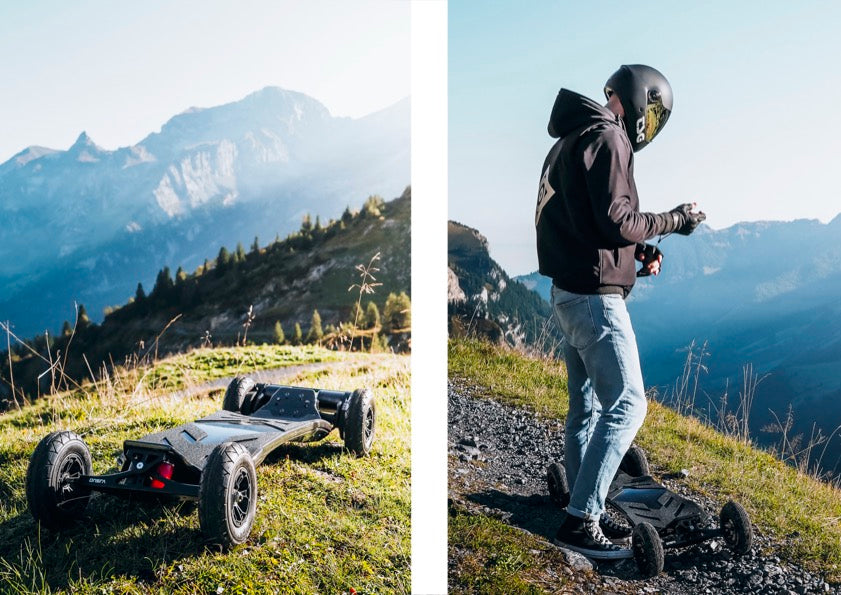
How to Ride an Electric Skateboard in 2026: Complete Beginner’s Guide
The first 30 seconds on an electric skateboard reveal everything. Most new riders either freeze up and overcorrect or get cocky and hammer the throttle. Both approaches lead to wobbles or sudden stops.
If you want to learn how to ride an electric skateboard properly, focus on control first and speed later. Electric skateboards are intuitive but demand respect — you’re balancing on a motorized platform with instant torque, often on imperfect roads.
Here’s a practical, step-by-step guide to get you riding confidently and safely.

Safety Gear Before You Start
Never skip protection. A quality helmet is non-negotiable. For your first 5–10 sessions, add wrist guards, knee pads, and elbow pads — low-speed falls are extremely common while learning starts, stops, and turns.
If you’re riding a more powerful board like the ONSRA VELAR or Challenger, consider a full-face helmet for extra confidence.
Choose the Right Board for Learning
Your first electric skateboard significantly impacts your learning curve. Boards with smooth, predictable throttle response and stable geometry make progress faster and less frustrating.
ONSRA’s lineup is designed with this in mind:
- The ONSRA Challenger Belt Drive offers excellent control for beginners thanks to its refined belt drive and multiple ride modes.
- The ONSRA BLACK Carve 3 PRO provides a planted, forgiving feel ideal for learning carving and commuting.
Shop ONSRA Electric Skateboards
Find Your Stance and Setup
Before the board moves, get your fundamentals right.
Regular or Goofy? If you’ve skateboarded, snowboarded, or surfed, you likely know your stance. Otherwise, have someone gently push you from behind — the foot you step forward with naturally is usually your lead foot.
- Place your front foot slightly angled near the front truck.
- Position your back foot across the deck for good leverage during acceleration and braking.
- Keep knees softly bent, weight centered, and chest relaxed. Avoid standing too upright — an athletic, low posture absorbs bumps far better.
Hold the remote in your dominant hand and practice throttle and brake inputs while standing still. Start in the lowest speed mode available.

Your Very First Ride
Choose a flat, smooth, traffic-free area — empty parking lots or quiet bike paths are perfect. Avoid hills on day one.
- Step on with your front foot first.
- Once balanced, gently place your back foot.
- Ease into the throttle with tiny inputs. Think smooth rollout, not launch.
- Keep your eyes looking 20–30 feet ahead, not down at the board. Your body follows your gaze.
Master this slow, controlled roll before trying anything else.
Master Acceleration and Braking Together
Acceleration and braking are two sides of the same skill. Practice them in short bursts:
- Roll at walking/jogging speed.
- Apply the brake progressively (not suddenly).
- Shift slightly more weight to your back foot when slowing down.
- Stay low and relaxed — locked knees make everything feel unstable.
Repeat smooth start → short roll → smooth stop dozens of times. Strong brake control is what separates confident riders from everyone else.
Many ONSRA boards feature well-tuned regenerative braking, but the feel can change with battery level. This is why flat-ground practice is essential before adding hills.

Learning to Turn Smoothly
Electric skateboards turn through weight shift and truck lean, not aggressive upper-body twisting.
- Toe-side turn: Apply pressure through your toes and front ankle.
- Heel-side turn: Apply pressure through your heels.
Start with wide, gentle carves. Small, smooth inputs work best. If the board feels twitchy, your trucks might be too loose for your current skill level. Many beginners benefit from slightly tighter trucks early on.
Handling Speed Wobbles and Rough Roads
Wobbles happen to everyone. When they start:
- Stay low and keep weight centered.
- Ease off the throttle smoothly.
- Avoid sudden movements or hard braking.
On rough pavement, let the board move slightly under you. Bent knees act as natural suspension. Larger wheels or pneumatic tires (common on ONSRA All-Terrain models) make rough surfaces much more forgiving.
View ONSRA All-Terrain Electric Skateboards
When to Progress to Hills, Traffic & Night Riding
Only add complexity once you’re comfortable on flat ground:
- Master mild hills next.
- Then longer mixed-terrain rides.
- Traffic and night riding come last.
Wet roads, painted lines, and metal plates dramatically reduce grip. Always ride within your skill level.
How Long Until You’re Comfortable?
Most people learn basic riding (smooth starts, stops, and gentle turns) in 1–2 sessions. Real confidence — handling surprises and varied terrain — usually takes 5–15 rides depending on your athletic background and practice frequency.
Choosing a quality board with predictable behavior, like those from ONSRA, shortens this learning curve significantly.
Pro Habits of Good Electric Skateboard Riders
- Always check battery level and tire condition before riding.
- Scan far ahead.
- Keep your remote hand relaxed.
- Leave safety margins with traffic and obstacles.
- Ride within your limits — even the best board can’t compensate for poor judgment.

Final Thoughts
Learning how to ride an electric skateboard is less about being brave and more about building consistent, calm control. Master the basics on flat ground, choose a board that matches your riding style, and progress gradually.
With the right technique and equipment, you’ll go from nervous beginner to confident rider faster than you expect.
Ready to start your journey?
Shop All ONSRA Electric Skateboards Best Beginner Electric Skateboard – Challenger Belt Drive
Best ONSRA Electric Skateboards 2026: Ultimate Buyer’s Guide
How to Ride an Electric Skateboard in 2026: Complete Beginner’s Guide (From Zero to Confident)