
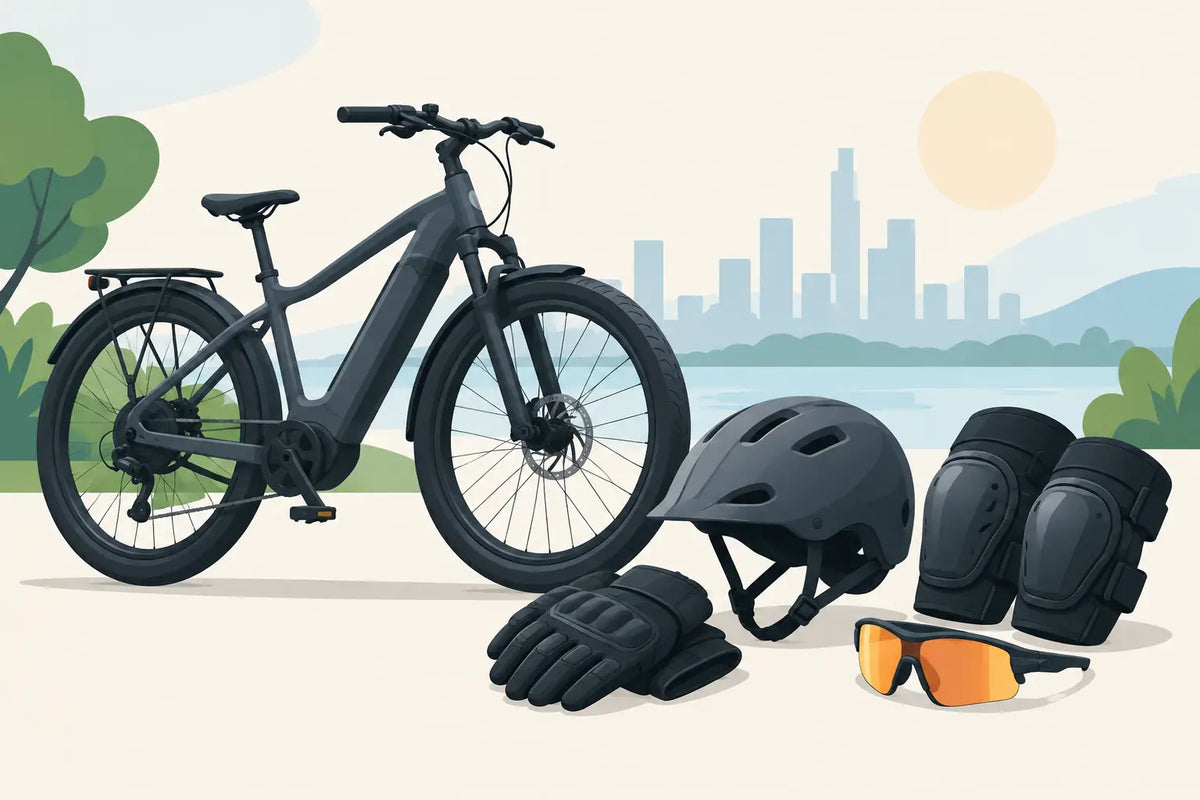
A 20 mph e-bike crash does not feel like a bicycle tip-over. Add a powerful motor, steep descent, wet pavement, or loose gravel, and the consequences climb quickly. The right electric bike protective gear is not about looking overprepared. It is about staying in control when traction, traffic, or terrain makes the decision for you.
For serious riders, protection should work like the rest of the setup: purpose-built, comfortable enough to use every ride, and engineered to perform under load. A helmet that shifts in a corner or gloves that reduce brake feel are not upgrades. They are distractions.
Electric Bike Protective Gear Starts With Your Riding Style
Start with how and where you ride, not with a generic checklist. A rider cruising protected bike paths at 15 mph needs a different level of coverage than someone commuting in dense traffic, riding a Class 3 e-bike at 28 mph, or pushing a hardtail down technical singletrack.
Speed is the obvious variable, but surface and exposure matter just as much. Pavement tends to create sliding impacts. Dirt, roots, and rocks produce more abrupt strikes. City riding adds vehicle traffic, road debris, door zones, and low-light visibility problems. The faster and less predictable the environment, the more protection needs to stay in place.
The goal is not to wear motocross equipment for a short grocery run. It is to build a system you will actually use. Start with the non-negotiables, then add coverage as your speed, terrain, and risk increase.
Helmet: The One Piece You Do Not Negotiate
A properly fitted helmet is the baseline for every electric bike ride. For lower-speed urban trips, a certified bicycle helmet with extended rear coverage can be a practical choice. Look for a secure retention system, ample ventilation, and a fit that stays stable when you turn your head sharply or ride over rough pavement.
At higher Class 3 speeds, in heavy traffic, or on aggressive trails, many riders benefit from more coverage. A mountain bike helmet with a deeper rear profile offers better all-around protection without the bulk of a full-face design. For downhill riding, high-speed trail use, or technical terrain where a forward crash is a real possibility, a certified full-face mountain bike helmet makes sense.
More coverage comes with trade-offs. Full-face helmets can be warmer, heavier, and less convenient for errands or long road commutes. But a helmet should match the crash you are preparing for, not the shortest version of the ride you hope to have. Never buy based on sizing alone. Measure your head, follow the manufacturer’s fit range, and test the helmet with your riding position in mind.
A good fit is firm without pressure points. The helmet should sit level, cover the forehead, and resist movement when the straps are secured. If it rocks backward or shifts sideways, it will not offer its intended protection when it counts.
Consider rotational-impact protection
Modern helmet designs may include systems intended to reduce rotational forces during angled impacts. These systems are not a substitute for correct fit or recognized safety certification, but they are worth considering for riders who spend significant time at e-bike speeds. Premium protection is valuable when it delivers a measurable function, not because it adds a marketing badge.
Gloves Protect Grip, Skin, and Control
Hands are usually first to the ground in a fall. They are also your connection to the brakes, grips, shifter, display, and controls. That makes gloves one of the highest-value pieces of protective equipment a rider can own.
For commuting and casual road use, choose full-finger gloves with a secure wrist closure, durable palm material, and enough dexterity to operate controls without hesitation. Light palm padding can reduce vibration on longer rides, especially with rigid forks or rough city streets. Too much padding, however, can blunt your feel at the bar.
For trail and performance riding, look for abrasion-resistant palms, reinforced impact zones, and knuckle protection that does not restrict finger movement. The best gloves stay planted on the grips when sweaty or wet. They should not bunch across the palm, pinch at the fingertips, or slide when you pull the brake levers hard.
Add Armor Where Your Ride Demands It
Knee and elbow protection becomes more relevant as terrain gets rougher and speed increases. A low-profile knee pad is often a smart choice for fast trail riders because knees commonly take the first hit in a low-side crash. Modern pads can be flexible while pedaling and firm up under impact, giving riders meaningful protection without the stiff, bulky feel of older designs.
Elbow pads are less necessary for relaxed pavement riding, but they earn their place on rocky trails, jump lines, and aggressive terrain. If you regularly ride routes where a crash means hitting hardpack, roots, or exposed rock, this is not overkill. It is sensible equipment selection.
Torso protection is more situational. A lightweight back protector or armored vest can be useful for high-consequence descents, bike parks, or riders carrying speed over uneven terrain. For a standard city commute, it may be unnecessary and overly warm. Protection works best when it is matched to the likely impact, not worn out of anxiety.
Footwear Keeps You Connected to the Bike
Your shoes affect stopping distance, stability at intersections, and how confidently you handle rough ground. Flat-pedal riders should choose shoes with grippy, supportive soles that stay planted on the pedals. Casual sneakers can work for a short, calm ride, but their flexible soles and inconsistent grip become obvious when the surface gets wet or the ride gets technical.
For riders using clipless pedals, reliable cleat engagement and release matter as much as power transfer. Practice unclipping at low speed before relying on the system in traffic or on steep terrain. A shoe that feels efficient but makes you hesitate at a stop is the wrong shoe for your current skill level.
Avoid open-toe footwear, loose laces, and footwear that can slip off or catch in the drivetrain. That sounds basic, but e-bike acceleration can turn small mistakes into fast ones.
Visibility Is Protective Gear, Not an Accessory
A crash is easier to avoid when drivers, pedestrians, and other riders see you earlier. Bright front and rear lights should be standard whenever conditions are dim, but daylight running lights also make sense on busy roads. Reflective elements on your jacket, backpack, ankle area, or helmet create movement cues that are easier for drivers to recognize than a single static reflector.
Eye protection matters here too. Clear lenses work for night riding and low-light commutes, while tinted or photochromic lenses help on bright days. More importantly, glasses shield your eyes from dust, insects, rain, and debris kicked up by vehicles. Losing clear vision at speed is a safety problem, not a minor annoyance.
Do Not Let Comfort Become the Weak Link
The protective gear riders skip is usually the gear that fits poorly. Heat, pressure points, fogged lenses, chafing straps, and awkward storage all reduce the chance that equipment makes it onto the next ride. This is why serious riders prioritize fit and compatibility over buying the most heavily featured product in every category.
Try your kit together. Put on your helmet with your glasses. Wear your gloves while operating your bike’s controls. Check whether your knee pads stay positioned through a full pedal stroke. If your commute includes a backpack, make sure its straps do not interfere with a back protector or jacket collar.
At ONSRA, the same principle applies across high-performance riding: equipment should support the ride, not get in the way of it. A well-chosen setup feels natural within a few minutes, then proves its value when conditions stop being predictable.
Replace Gear After a Real Impact
Protective equipment is not permanent equipment. Replace a helmet after a meaningful crash, even if the damage is not obvious. Foam liners can be compromised internally, and a helmet that has already managed one impact may not perform the same way in the next one.
Inspect gloves, pads, and footwear regularly for worn stitching, torn palms, damaged closures, compressed padding, and soles that have lost grip. Clean equipment according to its care instructions, especially after wet or muddy rides. Sweat, dirt, and UV exposure can shorten the useful life of materials over time.
The best time to choose protection is before the fast descent, the wet commute, or the unfamiliar trail. Build your kit around the rides you actually take, wear it consistently, and let your confidence come from preparation rather than luck.
How to Tighten Ebike Brakes Without Guesswork
Best Ebike Commuter Locks for Real Security