
A board that feels twitchy at 25 mph (40 km/h) or dead in corners usually does not need a new deck or wheels. It usually needs proper electric skateboard truck adjustment. Truck tuning is one of the fastest ways to transform stability, carve quality, comfort, and confidence. Small, deliberate changes often deliver outsized results.
On high-power boards the effect is amplified. Strong acceleration, regenerative braking, and cornering loads push the trucks harder, so sloppy tuning makes even a capable machine feel nervous while a dialed setup makes it feel planted and precise.

Why truck adjustment changes everything
Trucks control lean, turn initiation, and recentering. On eskates they also shape behavior under torque and braking forces. Looser trucks allow quicker turning and deeper carves but can reduce high-speed stability. Tighter trucks calm the ride but can feel wooden if overdone.
No universal setting exists. A 140 lb (63 kg) rider on smooth paths needs something different from a 210 lb (95 kg) rider on rough streets or aggressive carves. Wheel size, deck flex, bushing durometer, truck design, and speed all interact. Focus on understanding each change rather than copying settings.
What you are actually adjusting
Kingpin tension is the primary knob. Tightening the nut compresses bushings, increases resistance, reduces turn-in, and improves straight-line stability. Loosening allows freer lean for livelier carving. But tension is only part of the system—bushings often matter more.
If reasonable tension changes do not fix the feel, the bushings are likely mismatched to your weight and style. Heavy riders can crush soft bushings and still get vagueness. Light riders can loosen stiff ones and still lack carve.
How to adjust electric skateboard trucks safely
- Power off the board and place it on a stable surface.
- Use the correct tool for the kingpin nut.
- Make small changes: quarter- to half-turn at a time.
- Keep front and rear balanced initially for consistent behavior.
- Test in a controlled area after each adjustment. Change one variable at a time.

Front vs rear tuning
Common effective setup: slightly looser front for responsive initiation, slightly tighter rear for tracking and exit stability. This improves carve flow without overall looseness.
- Too loose front → nervous steering, especially under braking or at speed.
- Too loose rear → unsettled exits and straight-line wobble on rough pavement.
- Commuting/mixed use: mild front-loose bias.
- High speed: tighter overall, rear especially supportive.
- Playful carving: looser overall.
Signs your trucks are too loose
Wandering lines, nervous front end, excessive sensitivity to body input, or shake at speed. Also wheelbite risk on hard leans. Loose works great for low-speed maneuverability but fails when it exceeds your speed/weight support.
Signs your trucks are too tight
Resists turning, feels flat, causes leg fatigue from forcing carves, and transmits more vibration on rough roads. Stability is useful; removing all steering response makes the ride dead.
Bushings are often the real fix
Softer bushings suit lighter riders and carve-focused riding. Harder bushings suit heavier riders and high-speed support. Barrel shapes generally give better stability and return; cones favor easier turning. Cup washers add restriction for planted feel; flat washers allow more movement.
Premium trucks with precise machining and good bushing seats respond predictably. Cheap ones often feel vague regardless of tension.
Practical baselines by style
- Commuting: Mid-range tension for maneuverability plus stability.
- Carving: Loosen gradually until fluid edge-to-edge with clean return.
- Speed: Tighten incrementally and test at actual speeds.
- Heavier riders: More support via harder bushings or higher tension.
- Lighter riders: Less preload.
Common mistakes
- Overcorrecting in one session.
- Asymmetrical adjustment.
- Mixing worn/fresh bushings.
- Tuning only at low parking-lot speeds then riding at real speed.
Always tune for your actual conditions.

When to stop adjusting and replace parts
Creaking, notchiness, or inconsistent feel after tuning points to worn bushings, pivot cups, or hardware. High-torque eskates accelerate wear, so periodic refresh is normal maintenance on serious boards. Quality components give a wider, more predictable tuning window.
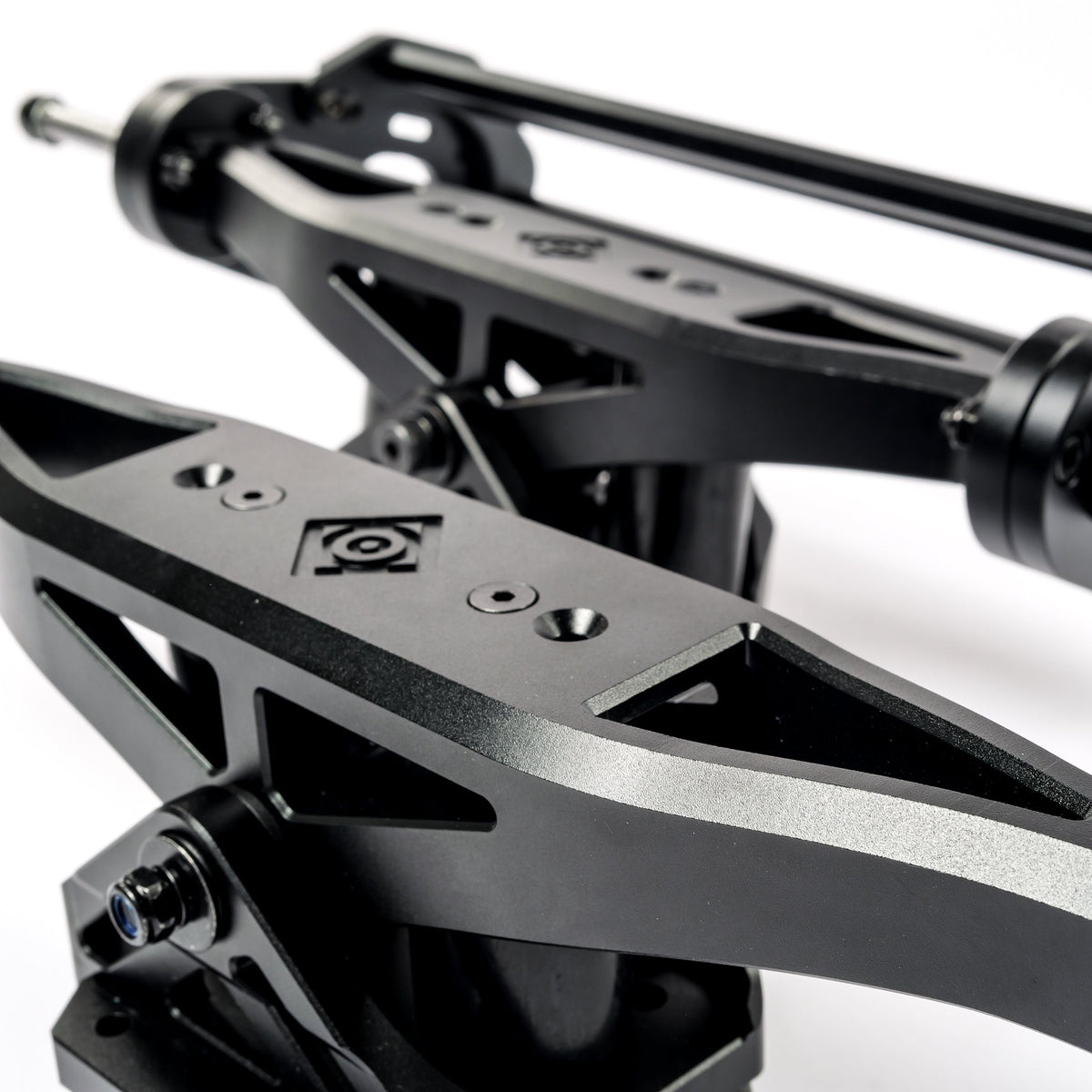
ONSRA trucks (especially on VELAR 2.0 and Challenger series) are CNC-machined for precision and durability under load. This makes tuning feel like refinement instead of guesswork, with good parts availability for bushings and spares.
The best truck setup turns the board into an extension of your stance. Make one change, ride it, repeat until it feels natural. You will ride harder, smoother, and with far less second-guessing.
Current lineup and parts: onsra.com/collections/all-electric-skateboards and onsra.com/collections/all-spare-parts

How Long Do Eskate Belts Last?
How to Improve Eskate Carving Stability