
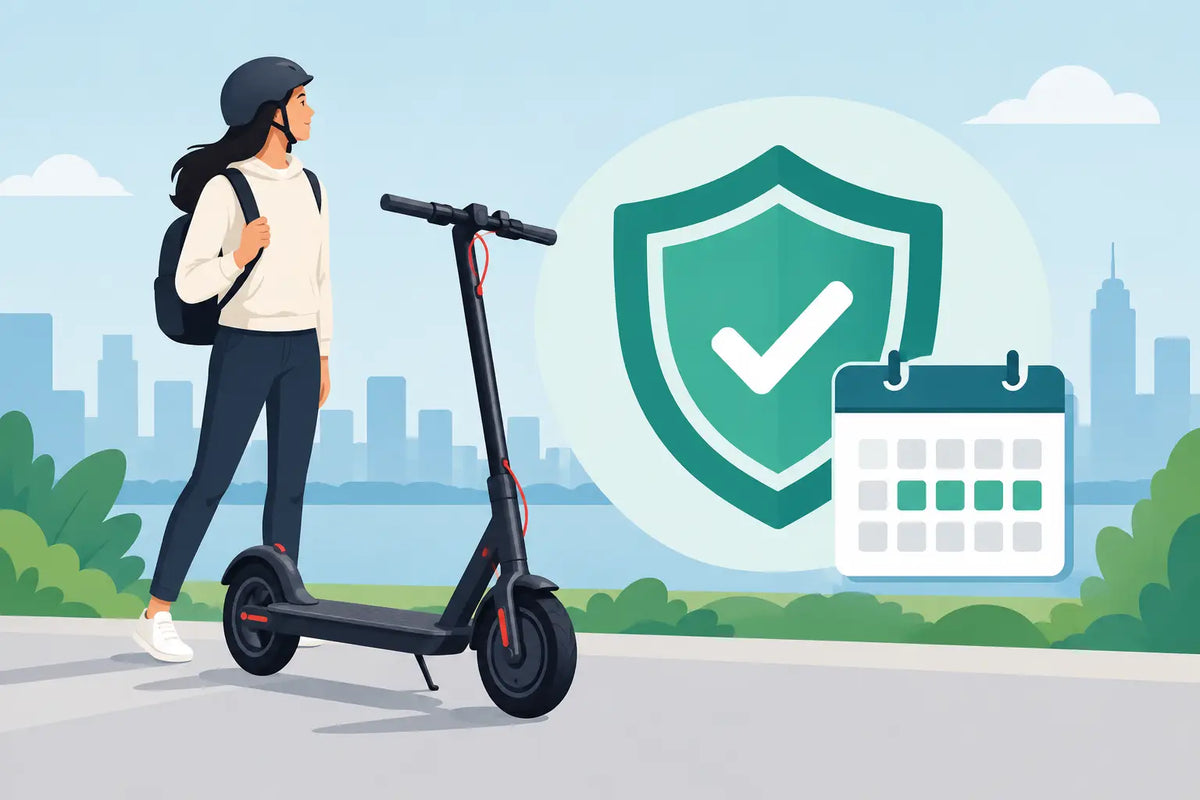
A premium electric skateboard or e-bike is not a disposable gadget. It is a high-load machine exposed to vibration, curb drops, wet roads, temperature swings, hard braking, and thousands of miles of real riding. So, is a four year warranty worth it? For riders choosing between a bargain board and a serious long-term setup, it can be one of the clearest signals of ownership value.
The key is understanding what the warranty actually covers, what it asks of you as a rider, and whether the brand has the parts and support infrastructure to stand behind it. Four years on paper means little if replacement parts are unavailable or support disappears after the sale. Four years backed by engineering, local fulfillment, and a real aftermarket ecosystem is a different proposition.
Is a Four Year Warranty Worth It on an Electric Board or Bike?
Usually, yes, especially when the warranty comes with a premium machine you intend to ride hard and keep for years. A long warranty reduces the financial risk around the expensive systems that separate enthusiast-grade e-mobility from entry-level equipment: the battery, motor system, electronic speed controllers, display or remote, frame, deck, and key structural components.
That does not mean every repair will be free for four years. Normal wear items still wear. Tires, tubes, bearings, grip tape, brake pads, belts, inner tubes, and cosmetic finishes take the hit from regular use. Damage from crashes, water exposure outside stated limits, unauthorized modifications, or improper charging may also fall outside coverage.
The value is in protection against defects in materials and workmanship. If a component fails because it was not built, assembled, or specified correctly, a strong warranty gives the rider a defined path to resolution rather than an unexpected parts bill.
For a commuter, that means less downtime and fewer unpleasant surprises. For a performance rider, it means you can invest in speed, range, carving stability, and CNC-machined hardware with more confidence. You are buying more than a claim process. You are buying accountability over the period when weaknesses in a product are most likely to show themselves.
A Long Warranty Is an Engineering Statement
A four-year warranty changes the incentives for the manufacturer. When a brand must support a product well beyond the first riding season, it has a reason to focus on component selection, thermal management, water resistance, connector quality, battery protection, fastener retention, and serviceability.
Electric rideables operate under forces that a casual spec sheet does not capture. Aggressive acceleration loads the drivetrain. Long hill climbs generate heat in motors and controllers. Rough pavement puts repeated stress into trucks, stems, decks, welds, spokes, and enclosures. A product that performs well in a short review can still reveal weak points after months of vibration and weather.
That is why warranty length should be considered alongside the product's construction. Look for evidence of deliberate design: durable enclosures, protected cable routing, quality bearings and hardware, serviceable drivetrains, properly rated chargers, and components that can be replaced without treating the entire vehicle as disposable.
A long warranty does not make a product invincible. It does show that the brand expects its design to survive beyond the honeymoon period. ONSRA's four-year warranty reflects that kind of ownership standard: build for serious riding, then remain responsible for the product after it leaves the warehouse.
The Real Cost Is Downtime, Not Just Repairs
Many buyers compare only the purchase price. That misses the ownership math. A lower-priced board or bike can become the more expensive option if it requires frequent repairs, difficult diagnosis, international return shipping, or components that cannot be sourced when something fails.
Consider a failed controller or battery issue. The direct cost matters, but so does the time your machine spends parked in a garage. If you commute on your e-bike, downtime can mean rideshares, public transit, or driving. If you ride an electric skateboard for training, exploration, or weekend group rides, a stalled repair can cost an entire season of riding momentum.
A strong warranty is valuable when it is paired with responsive technical support and stocked replacement parts. The best support team does not simply say a problem is covered. It helps identify the issue, confirms the correct repair path, and gets the rider moving again.
This is also where direct-to-consumer specialist brands have an advantage over anonymous marketplace sellers. A dedicated e-mobility brand understands the platform, carries compatible parts, and has a direct interest in maintaining the rider relationship. A generic seller may only have an interest in completing the original transaction.
Read the Fine Print Like a Rider
Warranty terms vary widely, and a four-year headline should never replace a careful read of the policy. Before you buy, find out whether the coverage applies to the full vehicle or only selected components. Ask how battery coverage is handled, whether labor and shipping are included, and what the process looks like if you live outside the brand's primary service region.
Pay close attention to the definition of normal use. Performance e-bikes and electric skateboards are built to be ridden, but there is a meaningful difference between spirited road riding and crash damage. If you intend to use your board in heavy rain, ride off-road trails, hit jumps, or modify the electrical system, confirm how those choices affect coverage before you commit.
Four questions are worth asking before purchase:
- Which major components are covered for the full four years?
- What counts as wear and tear versus a manufacturing defect?
- Are replacement parts available after the original model is updated?
- How quickly can support diagnose and resolve a legitimate claim?
When a Four-Year Warranty May Matter Less
Not every rider needs the same level of coverage. If you are buying a low-cost backup vehicle, riding only occasionally, or planning to replace it within a year or two, paying extra solely for a longer warranty may not make financial sense. A rider who enjoys doing all maintenance and upgrades independently may also place more value on open parts availability than formal warranty coverage.
There is another trade-off: warranty protection can require you to follow maintenance and charging instructions closely. That is not a downside for disciplined riders. It is simply part of protecting a high-performance electrical system. Use the specified charger, inspect hardware, keep the battery within recommended temperature ranges, and avoid treating water resistance as full waterproofing.
Still, most premium buyers are not looking for a short-term novelty purchase. They want a machine that can handle daily miles, weekend sessions, evolving upgrades, and real use without turning into a maintenance project. For that rider, a long warranty carries weight.
Buy the Ownership System, Not Just the Specs
Range, top speed, motor power, and battery capacity deserve attention. But specs do not tell you how a brand behaves when a remote develops a fault, a charger goes missing, a tire needs replacing, or a drivetrain component reaches the end of its service life.
A four-year warranty is worth more when it sits inside a complete ownership system: accessible support, readily available parts, accurate manuals, repair guidance, and people who understand the machine you ride. That system lets you maintain performance instead of merely reacting to problems.
The smartest purchase is not always the lowest-priced board or bike, nor the one with the biggest number on a spec chart. Choose the machine you will be confident riding on mile 500, mile 2,000, and well beyond. When a brand is prepared to stand behind that ride for four years, it gives you a strong reason to believe it was built for the distance.
Ebike Suspension Tuning Guide for Faster Control
Best All Terrain Skateboard Tires for Real Riding